Utilities are the backbone of our society. Electricity, gas, water, and district heating feed power to hospitals, schools, financial systems, public transportation, emergency services, and government operations. When these systems function as intended, they are the epitome of seamless solutions. When they fail, the consequences are immediate, far-reaching, with financial repercussions and real impact on people.
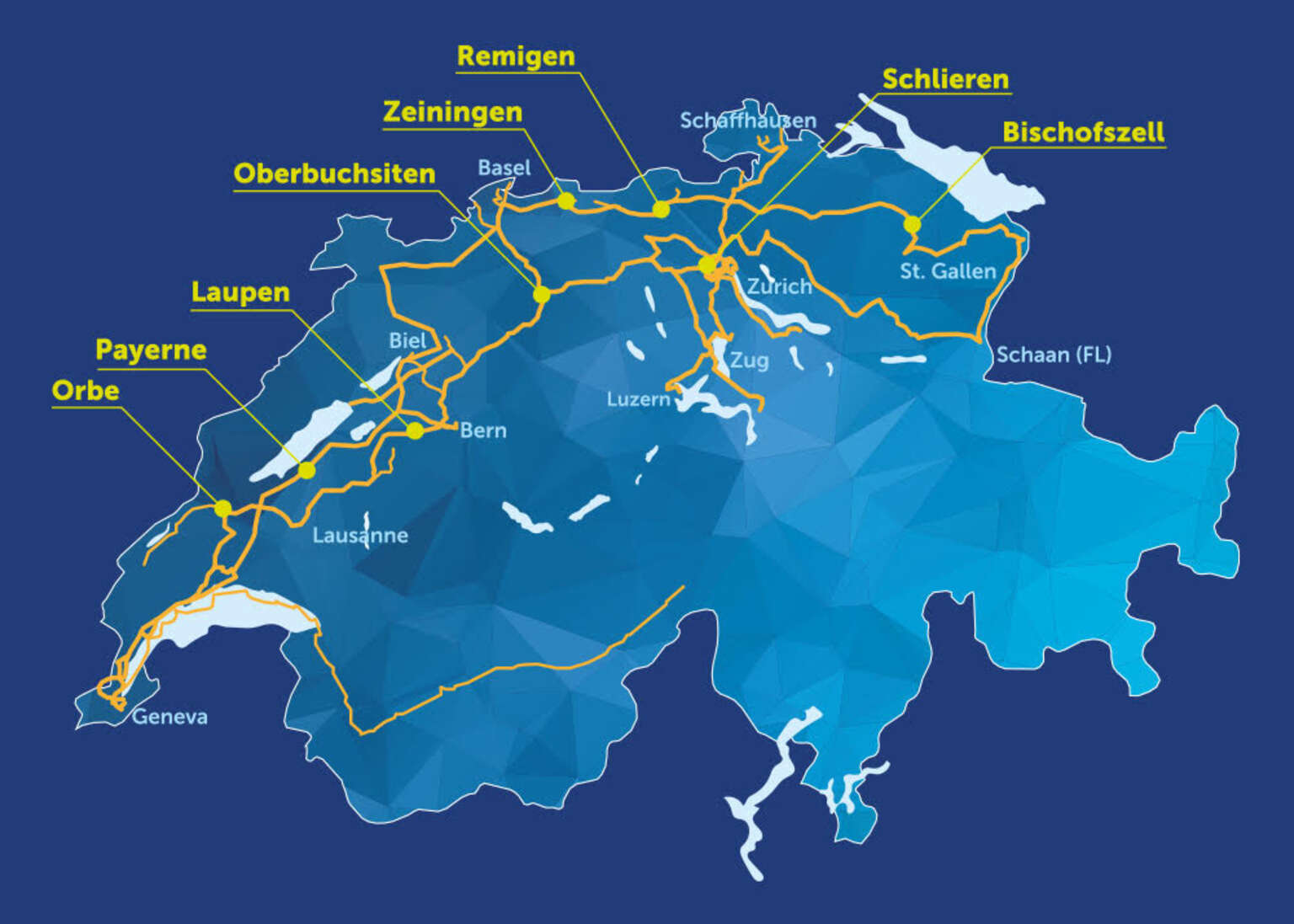
I have been in this sector for decades, now as part of Switzerland’s safest and fastest fiber optics network operator, and what I see day in, day out is a highly decentralized utility landscape, with hundreds of operators handling critical systems, each ensuring that vital services remain available to citizens and businesses alike.
This decentralization has historically been a strength, creating accountability and operational security. But I also see how the utilities’ operations decentralized nature is also reflected in the cybersecurity strategies within the sector: isolated and private.
And yet, one big factor is changing the rules of the game: interconnectedness. This puts extreme pressure on private lines as they were not built to handle this type of interconnectivity. So, utilities tend to lean towards Internet-based connectivity.
It comes as no surprise that regulatory expectations are rising in tandem with this digitalized interconnectivity. In Switzerland, frameworks such as the ICT minimum standards (IKT-Minimalstandard) are tightening cybersecurity and resilience requirements for critical infrastructure. Internationally, regulations like NIS2 reflect the same shift towards stricter cyber resilience for entities operating essential services for society.
In short, authorities expect utilities, gas and water suppliers, to demonstrate resilience, including at the connectivity layer. And that’s where I believe the Secure Swiss Utility Network (SSUN) offers a better alternative to existing solutions.
The case for a new network model in the digital utility sector
Traditionally, to ensure the resilience of the energy ecosystem, critical operators have used private lines (point-to-point lines) to connect substations, control systems, and operational technology (OT).
The clear advantage in this approach is the isolation from the public Internet that brings high security. However, private lines cannot meet the growing demands of a more distributed utility sector, one that now includes IoT devices, smart meters, and an increased need for remote access for both the workforce and field engineers. The Internet becomes, at first glance, the only viable alternative.
While the Internet excels at openness and global reach, those very qualities also create a massive attack surface. Services exposed to everyone, everywhere are inherently harder to protect, regardless of how strong application-level security measures may be.
To be fair, critical infrastructure is not meant to rely on the Internet for these use cases to begin with. The Association of Swiss Electricity Companies (Verband Schweizerischer Elektrizitätsunternehmen, VSE) recognized that utilities needed an alternative: a network model that delivers high resilience and security while enabling modern digital operations. This is precisely the solution the Secure Swiss Utility Network (SSUN) was designed to be.
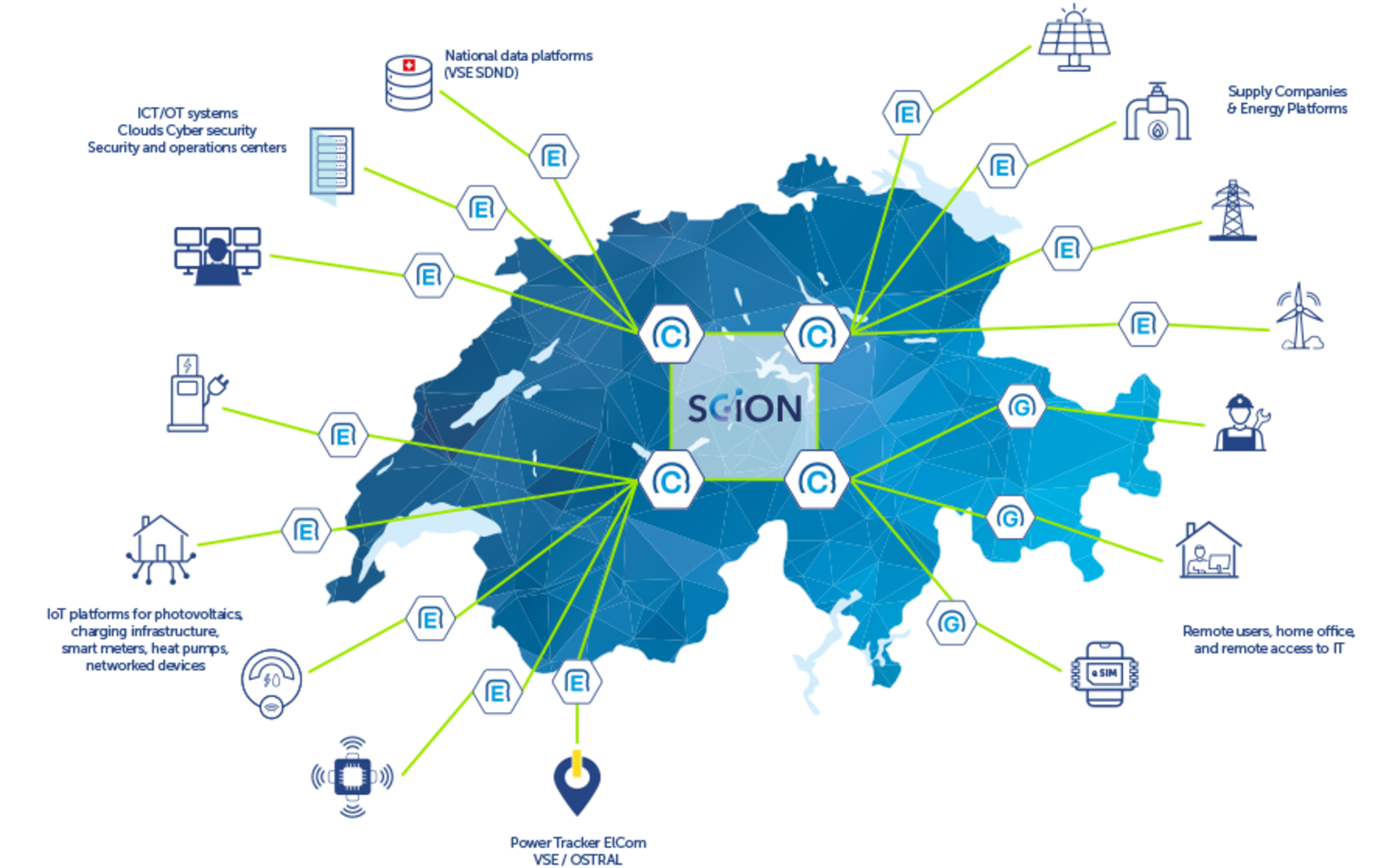
The way forward: SCION’s SSUN – a coalition for the needs of today’s utilities
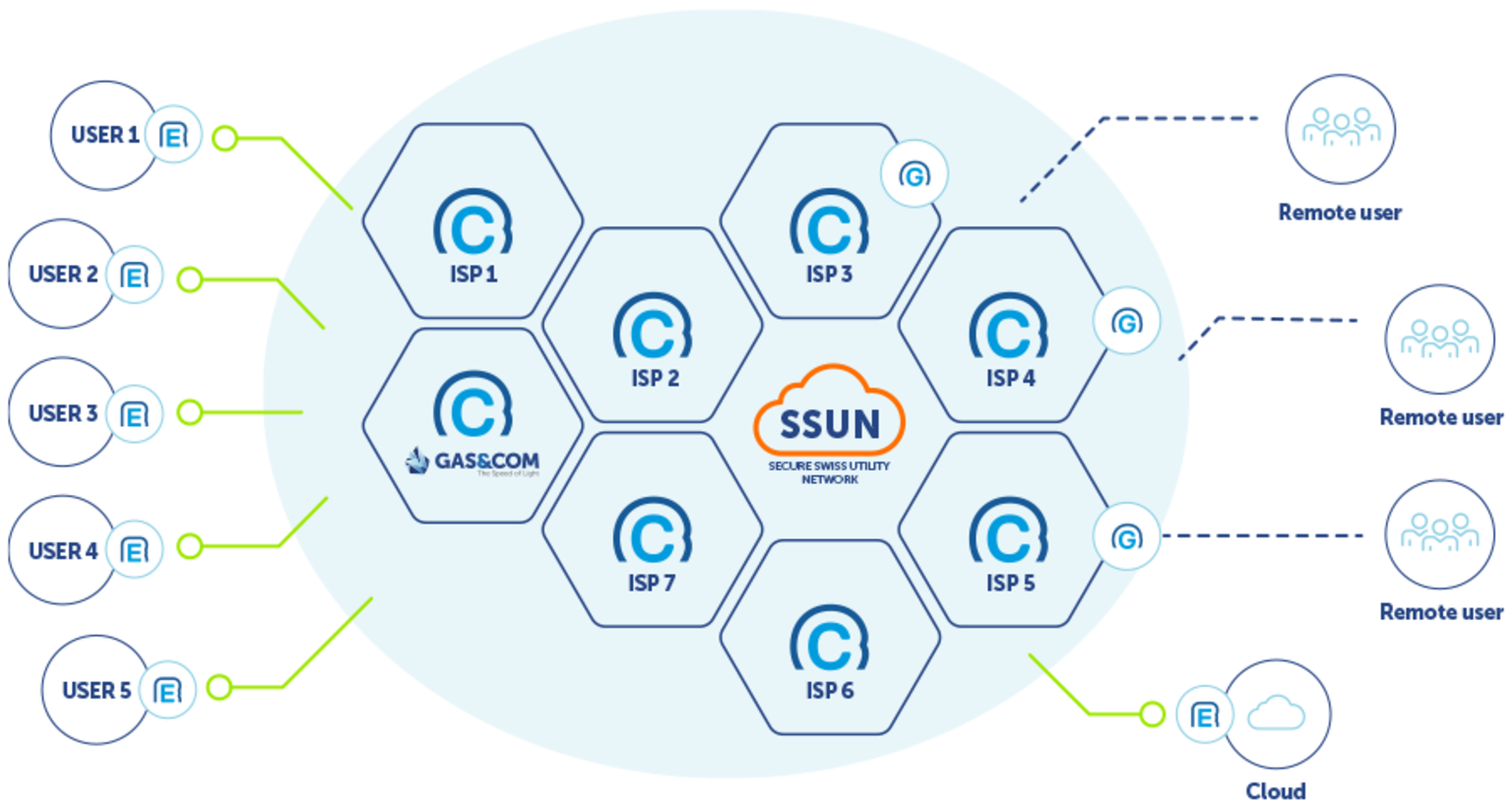
Let's start by saying that the SSUN is a coalition-based network, built on the SCION Internet with clear governance that defines who can be part of the network. Not only does the governance define which connectivity service providers can join the network, but also which users, namely, utilities, gas and water companies.